
In today’s competitive online world, having a well-planned digital marketing strategy is essential for businesses of all sizes. A successful strategy helps you reach the right audience, increase brand awareness, generate quality leads, and boost sales. Instead of relying on random marketing efforts, a strategic approach ensures every campaign contributes to your business goals.
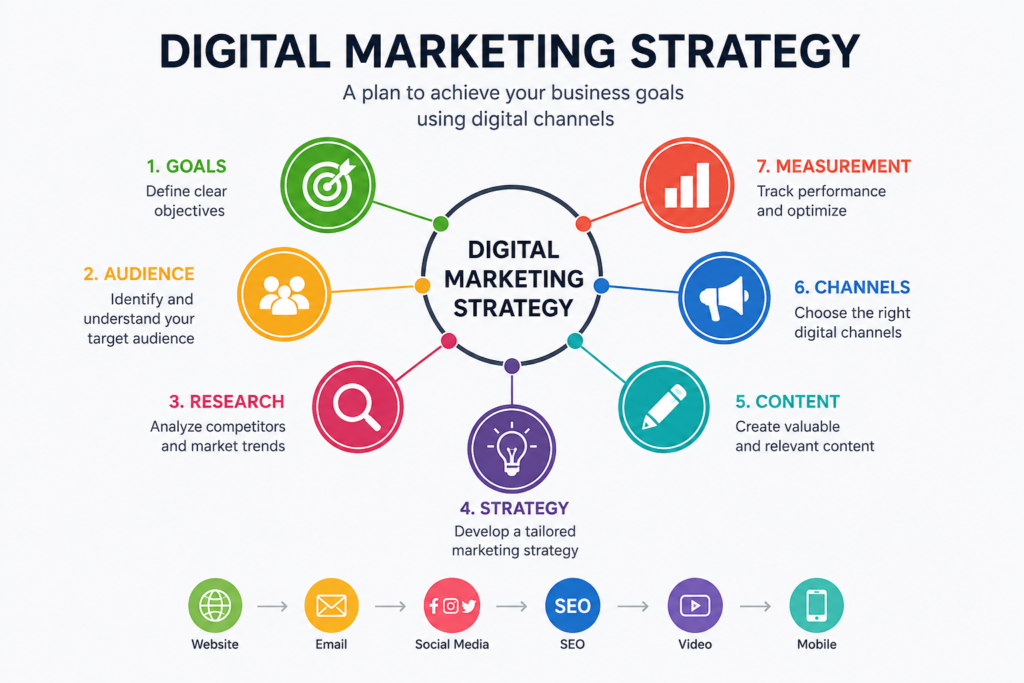
What Is a Digital Marketing Strategy?
A digital marketing strategy is a detailed plan that outlines how a business will use online channels such as search engines, social media, email, websites, and paid advertising to achieve specific marketing objectives. It includes identifying your target audience, selecting the right marketing channels, creating valuable content, and measuring performance.
Why Is a Digital Marketing Strategy Important?
A strong digital marketing strategy helps businesses:
- Increase online visibility
- Attract the right customers
- Generate high-quality leads
- Improve customer engagement
- Increase website traffic
- Boost conversions and sales
- Maximize return on investment (ROI)
- Stay ahead of competitors
Without a strategy, marketing efforts can become inconsistent and less effective.
Step 1: Define Your Business Goals
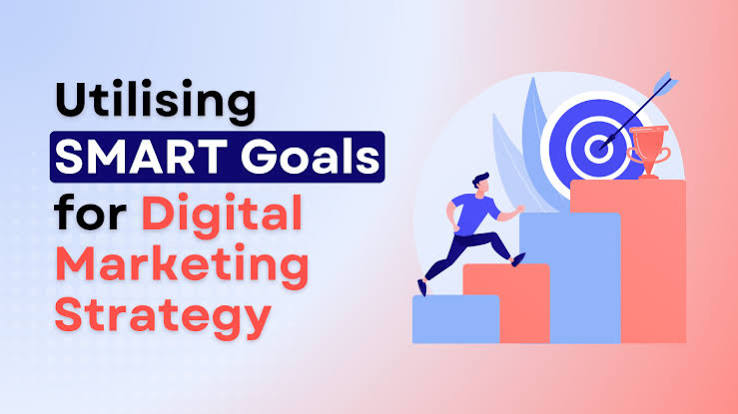
Start by setting clear and measurable goals. Your objectives should align with your overall business vision.
Examples include:
- Increase website traffic by 40% in six months
- Generate 100 qualified leads each month
- Improve online sales by 25%
- Grow social media followers by 10,000
- Increase brand awareness in your target market
Use SMART goals—Specific, Measurable, Achievable, Relevant, and Time-bound.
Step 2: Understand Your Target Audience
Knowing your audience is the foundation of successful digital marketing.

Research factors such as:
- Age
- Gender
- Location
- Interests
- Income level
- Buying behavior
- Online habits
- Pain points
- Preferred social media platforms
Creating buyer personas helps you understand who your ideal customers are and what motivates them.
Step 3: Analyze Your Competitors
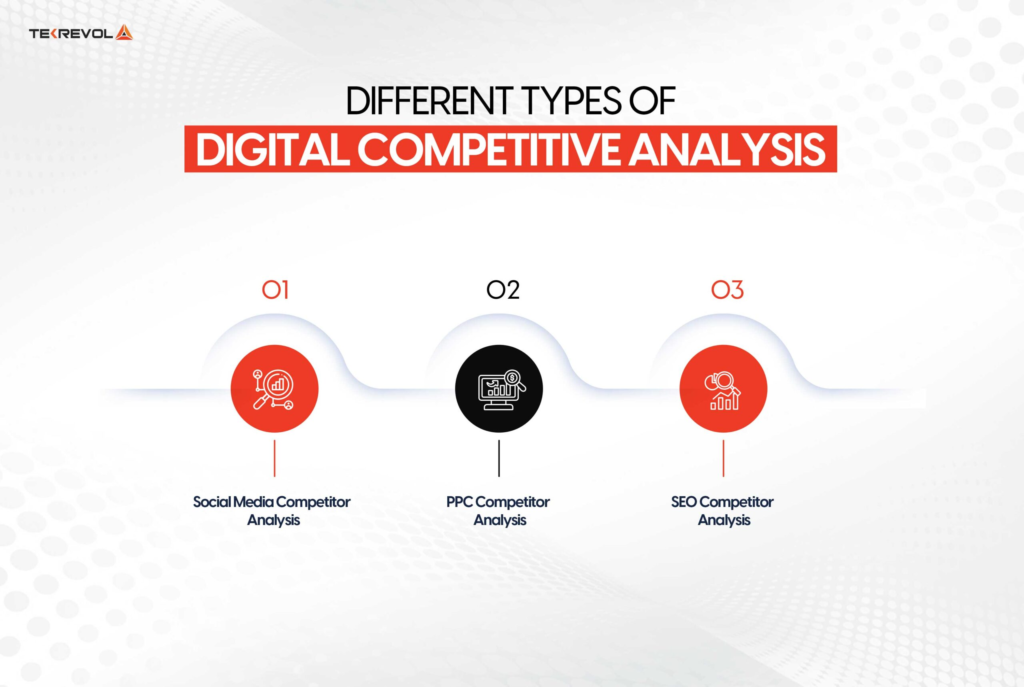
Study your competitors to discover:
- Their strengths
- Their weaknesses
- Keywords they rank for
- Content they publish
- Social media activity
- Advertising strategies
- Customer engagement
Competitive analysis helps identify opportunities to differentiate your business.
Step 4: Build a Professional Website

Your website serves as the foundation of your digital marketing strategy.
Ensure your website is:
- Mobile-friendly
- Fast-loading
- Easy to navigate
- Secure (HTTPS)
- SEO-friendly
- Visually appealing
- Conversion-focused
Include clear calls-to-action (CTAs), contact forms, testimonials, and product or service information.
Step 5: Invest in Search Engine Optimization (SEO)
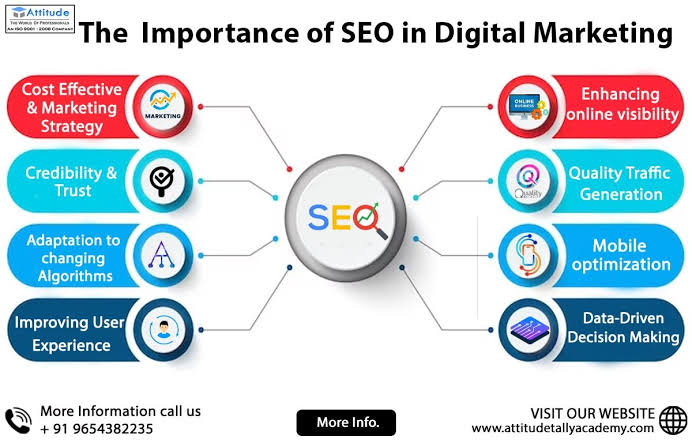
SEO improves your website’s visibility in search engine results.
Focus on:
Keyword Research
Identify keywords your audience searches for.
Example:
- Digital marketing agency
- SEO services
- Website design company
- Social media marketing
On-Page SEO
Optimize:
- Page titles
- Meta descriptions
- Headings
- URLs
- Images
- Internal links
- Content quality
Technical SEO
Improve:
- Site speed
- Mobile responsiveness
- Crawlability
- XML sitemap
- Structured data
- Broken links
Off-Page SEO
Build authority through:
- High-quality backlinks
- Guest blogging
- Local citations
- Brand mentions
Step 6: Create High-Quality Content
Content marketing builds trust and attracts potential customers.
Create content such as:
- Blog posts
- Articles
- Videos
- Infographics
- E-books
- Case studies
- Podcasts
- FAQs
- Email newsletters
Focus on solving customer problems rather than only promoting your products or services.
Step 7: Use Social Media Marketing
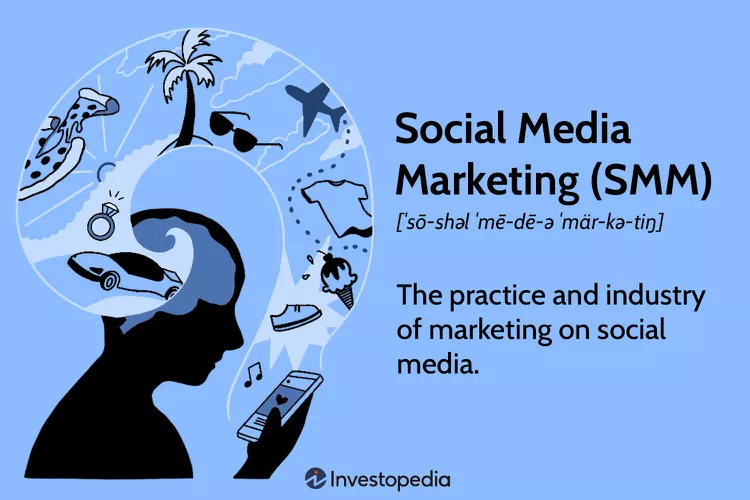
Social media helps businesses connect directly with their audience.
Popular platforms include:
- X (formerly Twitter)
- YouTube
Share:
- Educational content
- Industry news
- Customer success stories
- Behind-the-scenes content
- Product updates
- Promotions
- Short videos
Consistency is key to building engagement.
Step 8: Run Paid Advertising Campaigns
Paid advertising delivers faster results.
Popular options include:
- Google Ads
- Facebook Ads
- Instagram Ads
- LinkedIn Ads
- YouTube Ads
Target campaigns based on:
- Demographics
- Interests
- Location
- Device
- Search intent
- Previous website visitors (remarketing)
Continuously monitor and optimize campaigns for better ROI.
Step 9: Build an Email Marketing Strategy
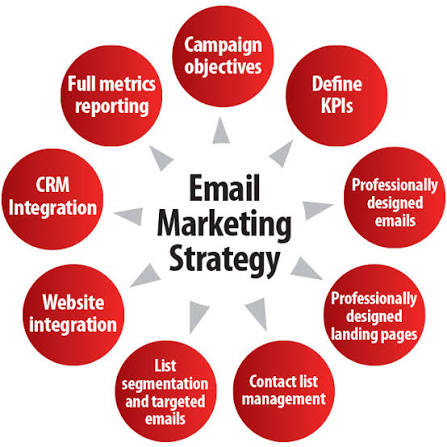
Email marketing remains one of the most effective digital marketing channels.
Use email to:
- Welcome new subscribers
- Share valuable content
- Promote products or services
- Announce special offers
- Send newsletters
- Re-engage inactive customers
Personalized emails generally achieve higher open and click-through rates.
Step 10: Track Your Performance
Measure your marketing performance using key metrics.
Important KPIs include:
- Website traffic
- Organic search rankings
- Conversion rate
- Cost per lead
- Click-through rate (CTR)
- Bounce rate
- Customer acquisition cost (CAC)
- Return on ad spend (ROAS)
- Email open rate
- Social media engagement
Regular analysis helps identify what’s working and what needs improvement.
Step 11: Optimize and Improve Continuously
Digital marketing is an ongoing process.
Regularly:
- Update old content
- Improve landing pages
- Test different headlines
- Optimize ad campaigns
- Refresh SEO strategies
- Analyze customer feedback
- Experiment with new content formats
Small, consistent improvements can significantly enhance long-term results.
Common Mistakes to Avoid
Many businesses struggle because they:
- Don’t define clear goals
- Ignore SEO
- Target the wrong audience
- Post inconsistent content
- Neglect mobile optimization
- Fail to analyze campaign performance
- Focus only on sales instead of customer value
- Stop testing and improving campaigns
Avoiding these mistakes can improve the effectiveness of your marketing efforts.