
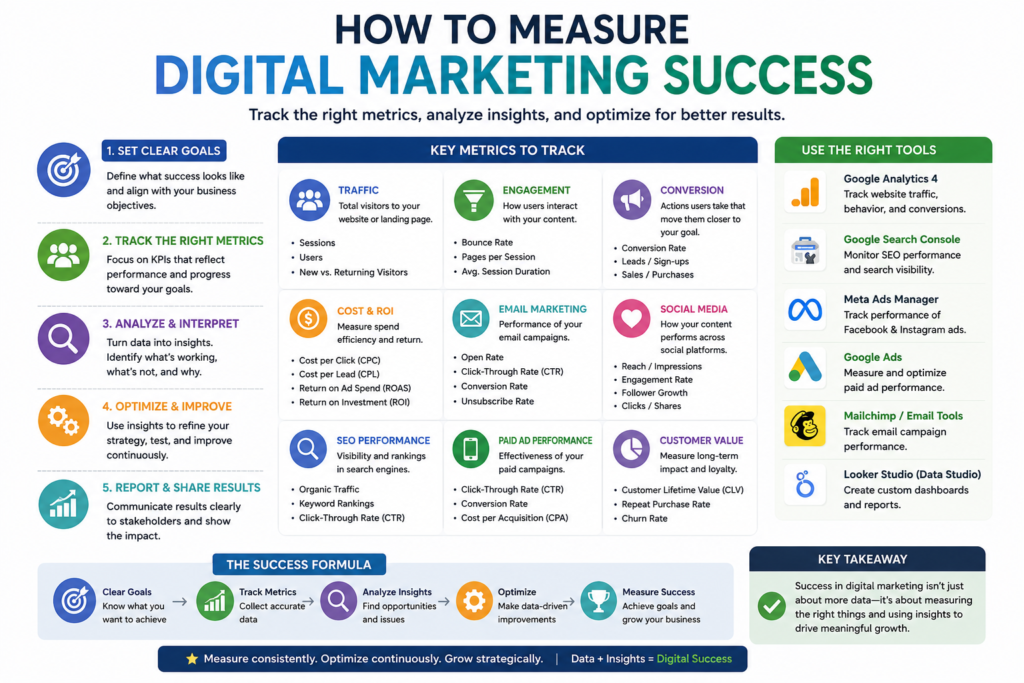
Digital marketing is one of the most effective ways to grow a business, but success isn’t measured by simply launching campaigns. The key is tracking the right metrics to understand what’s working, what needs improvement, and how your marketing efforts contribute to your business goals. Measuring digital marketing success helps businesses make data-driven decisions, optimize campaigns, and maximize return on investment (ROI).
1. Define Clear Marketing Goals
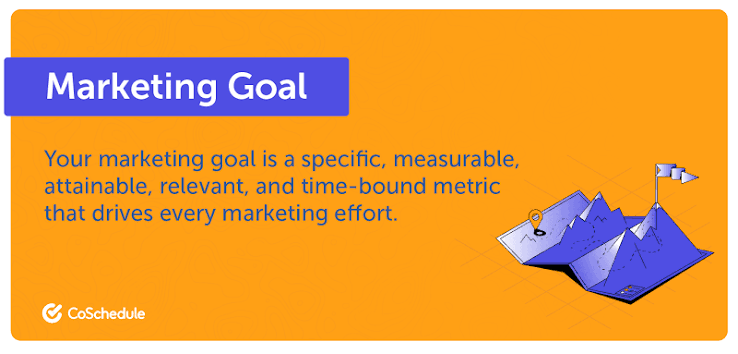
Before measuring success, establish specific objectives. Your goals may include:
- Increasing website traffic
- Generating more leads
- Boosting online sales
- Improving brand awareness
- Growing social media engagement
- Increasing customer retention
Use the SMART framework—Specific, Measurable, Achievable, Relevant, and Time-bound—to create effective goals.
2. Track Website Traffic

Website traffic is one of the primary indicators of digital marketing performance. Monitor:
- Total visitors
- New vs. returning visitors
- Traffic sources (organic, paid, social, email, referral)
- Pages viewed
- Average session duration
Growing, high-quality traffic generally indicates your marketing efforts are attracting the right audience.
3. Measure Conversion Rate
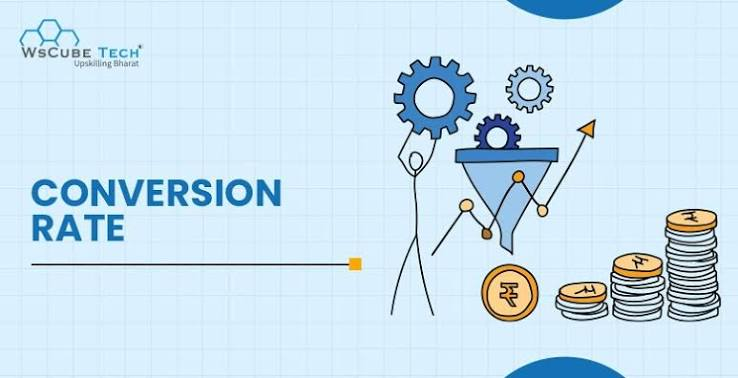
Conversions represent users completing desired actions, such as:
- Filling out a contact form
- Downloading an eBook
- Subscribing to a newsletter
- Purchasing a product
- Booking a consultation
Conversion Rate Formula:
Conversion Rate = (Conversions ÷ Total Visitors) × 100
Higher conversion rates indicate your website and campaigns are effectively turning visitors into customers.
4. Evaluate Return on Investment (ROI)
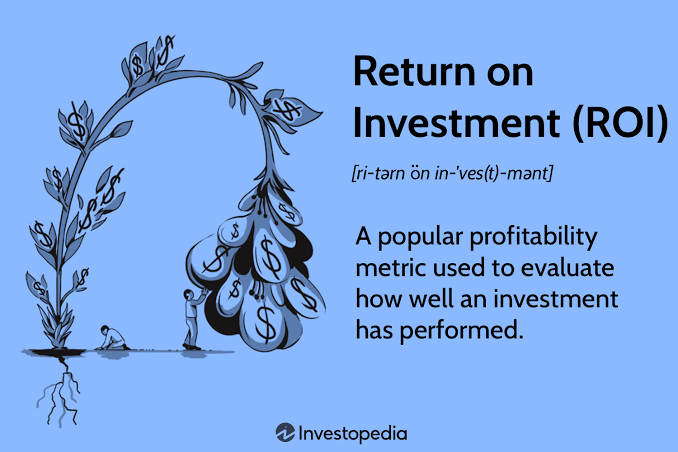
ROI measures how profitable your marketing campaigns are.
ROI Formula:
ROI = ((Revenue – Marketing Cost) ÷ Marketing Cost) × 100
A positive ROI means your campaigns generate more revenue than they cost.
5. Monitor Search Engine Rankings
For SEO campaigns, track:
- Keyword rankings
- Organic traffic growth
- Click-through rate (CTR)
- Backlink quality
- Indexed pages
Improved rankings often lead to increased visibility and more qualified traffic.
6. Analyze Social Media Performance
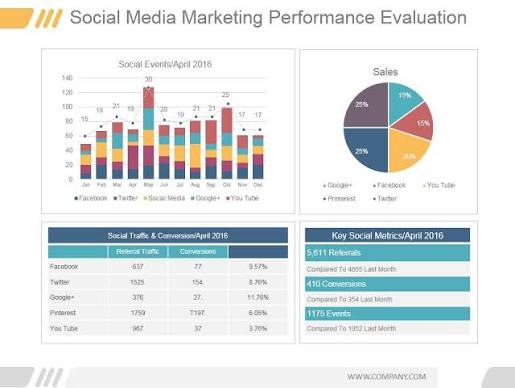
Social media success goes beyond follower count. Measure:
- Reach
- Impressions
- Likes
- Comments
- Shares
- Engagement rate
- Profile visits
- Website clicks
- Follower growth
High engagement indicates your content resonates with your audience.
7. Measure Email Marketing Results

Email marketing metrics include:
- Open rate
- Click-through rate (CTR)
- Conversion rate
- Bounce rate
- Unsubscribe rate
These metrics help determine whether your emails are relevant and effective.
8. Track Cost Per Lead (CPL)
If your goal is lead generation, monitor how much each lead costs.
Formula:
Cost Per Lead = Total Marketing Spend ÷ Number of Leads
Lower CPL with high-quality leads indicates efficient marketing.
9. Measure Customer Acquisition Cost (CAC)
CAC tells you how much it costs to gain a new customer.
Formula:
Customer Acquisition Cost = Total Marketing & Sales Cost ÷ Number of New Customers
Reducing CAC while maintaining quality customers improves profitability.
10. Analyze Customer Lifetime Value (CLV)
Customer Lifetime Value estimates the total revenue a customer generates during their relationship with your business.
When CLV is higher than CAC, your marketing strategy is generally sustainable and profitable.
11. Evaluate Bounce Rate
Bounce rate measures the percentage of visitors who leave your website without interacting further.
A high bounce rate may indicate:
- Slow website speed
- Poor user experience
- Irrelevant content
- Weak landing pages
Improving user experience can reduce bounce rates and increase conversions.